
| MEP Desk | Middle East Politics |
On June 13, 2025, a new and direct military confrontation erupted between Iran and Israel, marking an unprecedented escalation in the long-standing geopolitical rivalry between the two Middle Eastern powers. The war, initiated by Israel through a surprise military operation named ‘Operation Rising Lion’ targeted Iranian nuclear and military infrastructure and culminated in reciprocal missile and drone attacks by Iran.
This report contextualizes the conflict within the historical arc of Iran–Israel hostility, nuclear proliferation concerns and the broader implications for international law, regional stability and nuclear diplomacy.
War Erupts Amid Diplomatic Breakdown
The Israel–Iran war of 2025 began following Israel’s preemptive strikes on Iranian nuclear and military sites, effectively terminating a fragile diplomatic effort led by the United States to renegotiate Iran’s nuclear program. The operation, conducted under the name Rising Lion, was launched hours after the International Atomic Energy Agency (IAEA) reported Iran’s non-compliance with nuclear obligations—its first such finding in two decades.
Israel’s campaign commenced with the targeted assassination of senior figures within Iran’s Islamic Revolutionary Guard Corps (IRGC) and the deaths of at least ten nuclear scientists. Simultaneously, Israeli airstrikes struck the Natanz and Isfahan nuclear facilities and destroyed portions of Iran’s air defense systems. Iran retaliated within hours with a barrage of over 100 drones and ballistic missiles directed at Israeli cities and military targets, killing at least 24 civilians.
Decades of Hostility
The seeds of the present conflict lie in the collapse of bilateral relations following Iran’s 1979 Islamic Revolution. The replacement of the pro-Western Pahlavi monarchy with the theocratic regime of Ayatollah Ruhollah Khomeini initiated a policy of unwavering antagonism toward Israel, including calls for its destruction and rejection of its legitimacy.
Over the decades, the conflict evolved from proxy-based engagements—primarily through Hezbollah, Hamas and the Houthis—into direct confrontations. The April and October 2024 strikes between the two countries marked the first major open warfare in their bilateral history. In July 2024, Israel escalated by assassinating Hamas leader Ismail Haniyeh inside Tehran, an act interpreted as a strategic precursor to more aggressive policies.
Strategic Objectives and Pretexts
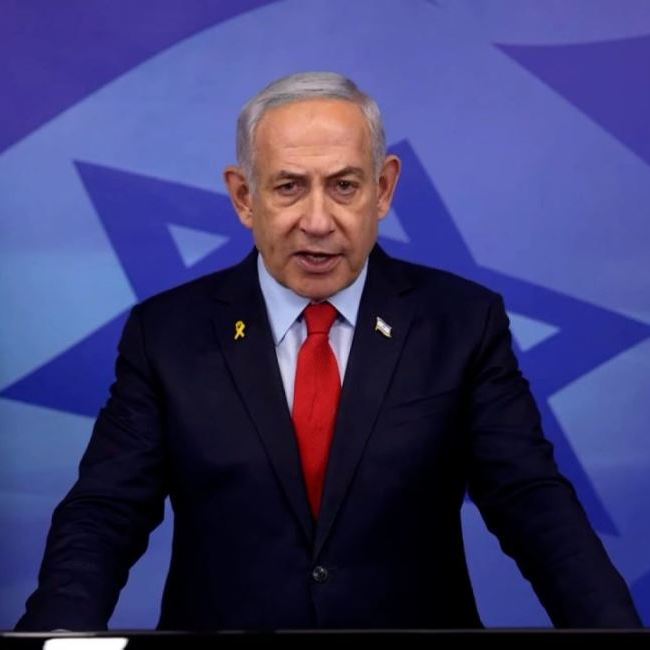
Israeli Prime Minister Benjamin Netanyahu justified Operation Rising Lion as a necessary measure against Iran’s nuclear weapons potential, calling it a “clear and present danger” to the existence of Israel. He asserted that Iran’s growing stockpile of highly enriched uranium—409 kg of 60% purity by May 2025—posed an imminent threat, despite IAEA Director Rafael Grossi’s confirmation that no conclusive evidence of a nuclear weapons program had been found.
Israel’s operation also appeared to have domestic and international political motivations. Analysts argue that the timing of the strikes distracted from growing international condemnation of Israel’s conduct in Gaza and the looming threat of famine there. The revival of nationalist sentiment through a conflict with Iran has also helped Netanyahu consolidate domestic political support.
International Reactions and Legal Implications
The international community responded with a mix of condemnation and endorsement. Nations including China, Russia, South Africa and Brazil denounced the Israeli offensive as a breach of international law. Legal scholars have echoed these criticisms, citing violations of the UN Charter, particularly Article 2(4), which prohibits the use of force against sovereign nations absent Security Council authorization or self-defense under Article 51.
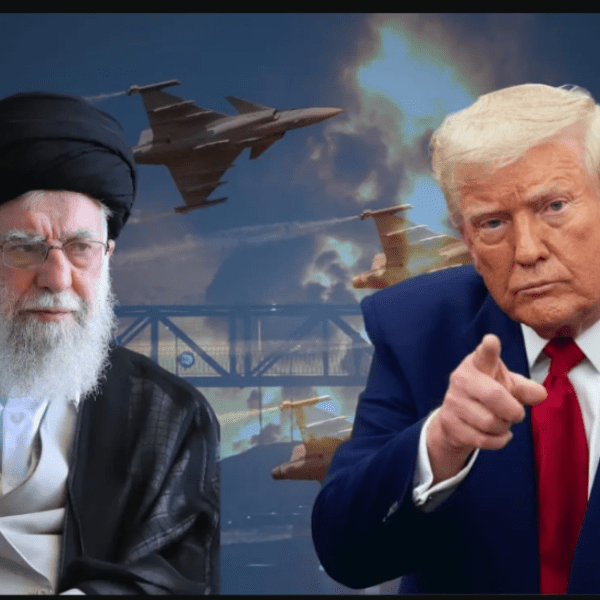
Meanwhile, traditional Western allies—most notably the United States, Germany and the United Kingdom—expressed support for Israel’s right to self-defense, though with cautious calls for de-escalation. President Donald Trump, who had set a two-month deadline for Iran to agree to a new nuclear deal, was reportedly briefed in advance of the Israeli operation and declined to intervene.
The United Nations issued statements of concern but failed to achieve consensus on a unified response due to veto threats from permanent Security Council members on both sides of the geopolitical divide.
Nuclear Proliferation and the Collapse of the JCPOA Framework
The war has upended any remaining framework of the Joint Comprehensive Plan of Action (JCPOA), the 2015 nuclear accord that had previously constrained Iran’s uranium enrichment activities. Following the Israeli attacks, Iran declared its intention to withdraw from the Treaty on the Non-Proliferation of Nuclear Weapons (NPT), ratified in 1970. Tehran also moved to expand its nuclear facilities and enrichment capabilities, raising fears of a regional arms race.
Notably, U.S. intelligence as late as March 2025, under Director of National Intelligence Tulsi Gabbard, maintained that Iran had not resumed weaponization efforts. Nevertheless, the perception of threat—particularly in Israel—has proven sufficient to justify preemptive military action.
Regional Implications and the Role of Proxies
The conflict has mobilized regional actors, albeit in limited capacities. The Houthi movement in Yemen fired missiles at Israel in a symbolic gesture of support for Iran. However, traditional Iranian proxies such as Hezbollah and Hamas remain weakened from prior confrontations with Israel in 2023 and 2024. Observers note that Iran’s relative isolation and the attrition of its allies may have emboldened Israel to act.
The renewed conflict may also destabilize neighboring countries. Jordan, Egypt and Turkey have condemned the Israeli strikes, fearing spillover effects. Iran’s threats to exit non-proliferation frameworks could incite further tensions with Gulf states, several of whom—despite historical enmity with Iran—have grown wary of Israel’s expanding military reach.
Operation Rising Lion: Symbolism and Narrative
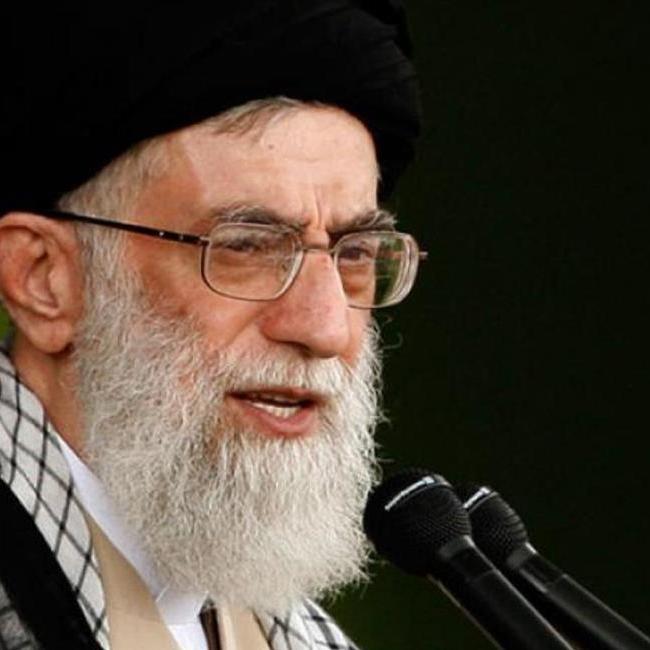
The operation’s name, Rising Lion, references both biblical symbolism and Iran’s pre-revolutionary emblem, the Lion and Sun. According to The Jerusalem Post, the phrase evokes Numbers 23:24, reflecting a narrative of national strength and divine mandate. This religious and nationalist rhetoric, used by Netanyahu, aims to resonate across domestic and regional audiences and frame the operation in existential terms.
New Regional Paradigm
The 2025 Iran–Israel war marks a turning point in Middle Eastern geopolitics. The failure of diplomacy, collapse of nuclear containment and initiation of open warfare between two of the region’s most militarily advanced nations suggest a new era of strategic volatility.
The conflict’s implications extend far beyond Iran and Israel, threatening to destabilize the global non-proliferation regime, shift power dynamics in the Middle East and strain the credibility of international institutions.
In the absence of effective mediation or restraint by global powers, the region now faces an uncertain future, where preemptive warfare and deterrence through overwhelming force may become the new norm in inter-state relations.

 Middle East Politics Blog