| MEP Desk | Middle East Politics |
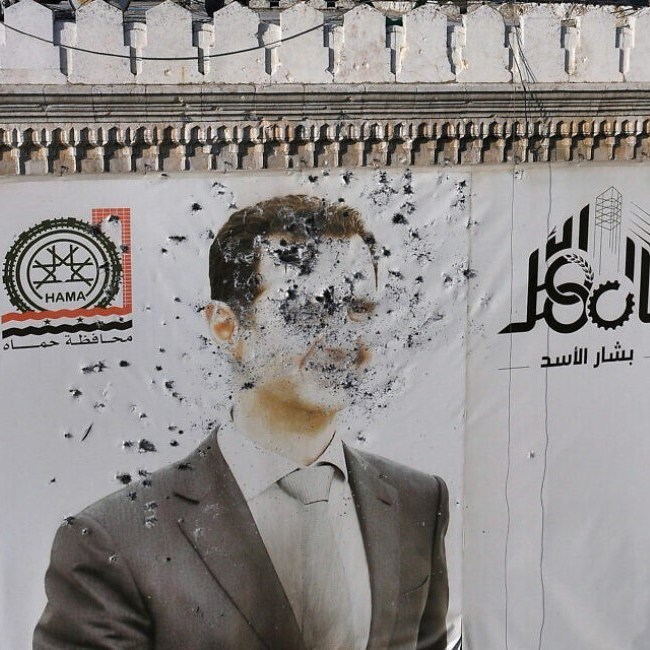
Syria is witnessing a significant diplomatic shift following the ousting of Bashar al-Assad earlier this month. The new leadership under Ahmed al-Sharaa is actively engaging with regional powers to foster cooperation and lay the groundwork for the country’s long-awaited reconstruction. These diplomatic overtures, highlighted by a series of high-profile meetings, signal a major change in Syria’s regional and international relations, with neighboring Arab nations offering their support for the country’s transition.
High-Level Meetings with Arab Diplomats
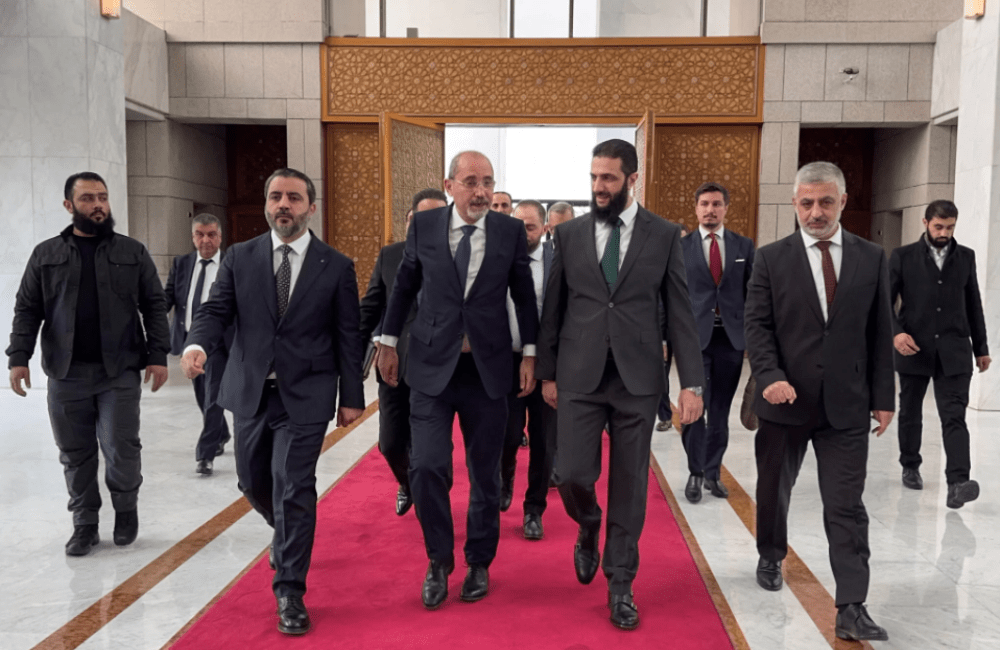
In a pivotal development this week, Ahmed al-Sharaa, the newly appointed leader of Syria, held strategic meetings with key Arab diplomats in Damascus. On Monday, he met with Jordanian Foreign Minister Ayman Safadi and Qatari Minister of State for Foreign Affairs Mohammed al-Khulaifi. The discussions covered a range of topics, including Syria’s reconstruction, regional security, and the need for collaborative efforts in rebuilding the war-torn nation.

Jordan’s support was especially significant, as Safadi’s visit marked the first time a senior Jordanian official had visited Syria since the fall of Bashar al-Assad. Jordan has historically played a crucial role in Syria’s stability, both in terms of trade and security, and its support for Syria’s recovery is seen as a positive step forward. Safadi reiterated Jordan’s commitment to helping Syria rebuild, emphasizing that cooperation on trade, border management, electricity infrastructure, and even the drafting of a new constitution were top priorities.
“We agree to support the Syrian people in rebuilding their state,” Safadi said, emphasizing the need for inclusive governance and the importance of non-interference from foreign powers.
Another landmark moment came with the visit of Qatar’s delegation, led by Mohammed al-Khulaifi, which marked the first high-level visit to Syria from Doha in 13 years. This move represents Qatar’s renewed commitment to Syria’s sovereignty and its desire to assist the country in its recovery. Khulaifi’s arrival aboard the first Qatar Airways flight to Damascus since the change in leadership signals a potential resumption of aviation links between the two countries.
In addition to diplomatic gestures, Qatar has also extended technical assistance to Syria, particularly in the area of aviation. The Qatari delegation has pledged support for the restoration of Damascus International Airport’s operations, a vital step in reconnecting Syria with the rest of the region. This cooperation highlights Qatar’s interest in fostering regional ties and strengthening Syria’s infrastructure as part of its broader recovery efforts.
Syria’s transition is also drawing attention from other regional players, including Saudi Arabia. A reported Saudi delegation met with Sharaa to discuss Syria’s ongoing political transition and a key issue that has been central to the country’s post-Assad reality—the illicit drug trade. Under Assad, Syria became a major exporter of captagon, a powerful amphetamine that has fueled drug abuse and organized crime in the region. The smuggling of captagon into neighboring countries, particularly Jordan, has been a point of concern, and Saudi Arabia’s involvement in the dialogue underscores the regional importance of addressing this issue.
For neighboring countries like Jordan and Lebanon, which have borne the brunt of the smuggling crisis, Syria’s role in curbing this illegal trade is crucial for regional security and stability. The Saudi delegation’s involvement indicates a growing regional consensus that Syria’s reconstruction must be paired with efforts to combat these illicit activities.
Iran’s Position and the Challenge of Shifting Alliances
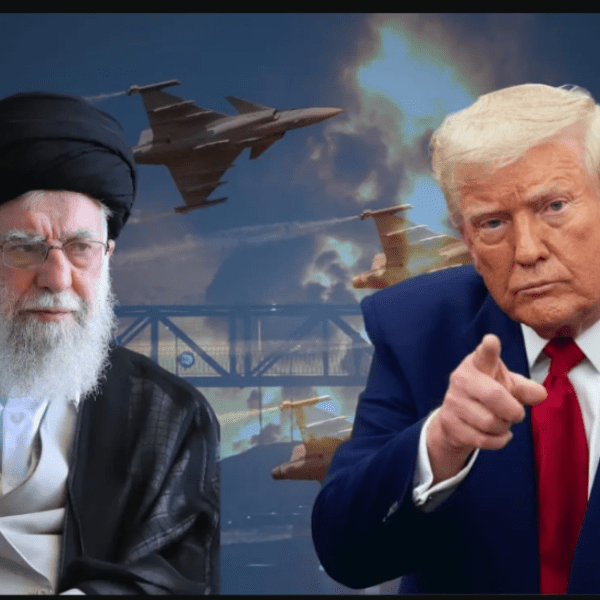
While many regional powers are warming to the idea of a post-Assad Syria, Iran—Syria’s long-standing ally—has been notably cautious in its response to the new leadership. Tehran has yet to establish direct contact with Ahmed al-Sharaa and has instead reiterated its support for Syria’s sovereignty, warning against the country becoming a “haven for terrorism.” Iran’s approach reflects the broader uncertainty surrounding the shifting alliances in Syria and the region.
Despite Tehran’s initial reticence, the broader Middle East is increasingly viewing Syria’s transition as an opportunity for change. The international community, including representatives from the Arab League, Turkey, the EU, and the U.S., gathered at a summit in Jordan earlier this month to call for an inclusive and peaceful transition. While Iran’s influence in Syria remains substantial, the growing engagement from Arab states and other regional actors suggests that the country’s political future could look markedly different in the years ahead.
Sharaa’s Leadership and the Role of Hayat Tahrir al-Sham
The leadership of Ahmed al-Sharaa, who was instrumental in the downfall of Assad, is under intense scrutiny as Syria begins its complex transition. Sharaa, a figure associated with the Hayat Tahrir al-Sham (HTS) group—a faction with roots in Al-Qaeda—is working to moderate the group’s image and position it as a legitimate political actor in Syria’s future. This is no small task, given HTS’s historical ties to extremist elements, but Sharaa is seen as an individual who may be able to broker a broader regional consensus.
At a summit in Jordan earlier this month, representatives from various countries called for a peaceful transition in Syria, with an emphasis on inclusive governance. The challenge for Sharaa will be to balance the aspirations of his political allies—such as HTS—with the demands of regional powers and international actors who are keen to see Syria stabilize and integrate back into the regional fold.
Conclusion: A Pivotal Moment for Syria
As Syria enters a new chapter in its history, the diplomatic engagement and support from key regional players offer a glimmer of hope for the country’s reconstruction and reintegration into the Middle Eastern fold. However, much remains to be done. Sharaa’s leadership will be tested as Syria navigates a complex web of internal divisions, regional power dynamics, and international pressures.
With efforts focused on rebuilding infrastructure, drafting a new constitution, and tackling pressing issues like illicit drug trade, Syria’s path forward will require careful diplomacy and commitment to reform. While challenges abound, the growing support from neighboring Arab states and regional powers signals that Syria’s future could look markedly different under the leadership of Ahmed al-Sharaa.
This period of transition, marked by shifting alliances and a focus on regional cooperation, will be crucial in shaping the direction of Syria in the years to come. The eyes of the world will remain firmly on Syria as it seeks to rebuild not only its physical infrastructure but also its standing in the region





 Middle East Politics Blog