| MEP Desk | Middle East Politics |
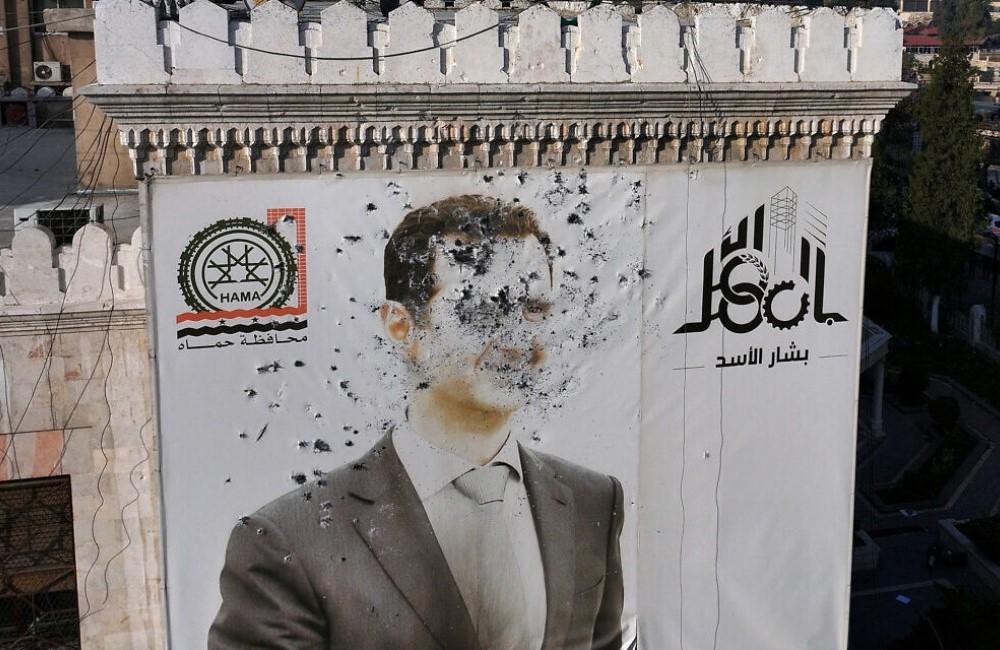
The long reign of Syrian President Bashar al-Assad has come to an end, as rebel forces swept into Damascus and declared the capital “liberated.” The fighters, largely led by Islamist groups, made the announcement through state television, signaling the collapse of the Assad regime after nearly 13 years of brutal civil war.
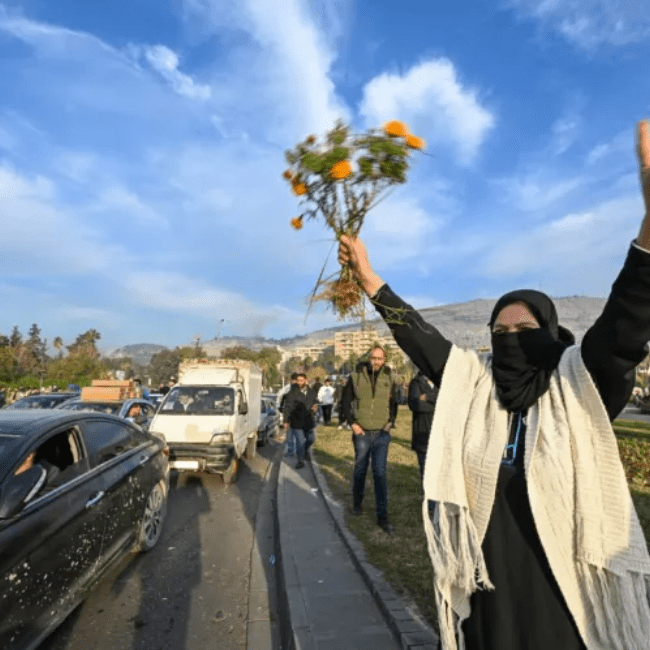
In response, Syrians have taken to the streets to celebrate, marking what they see as the beginning of a new chapter for their country.

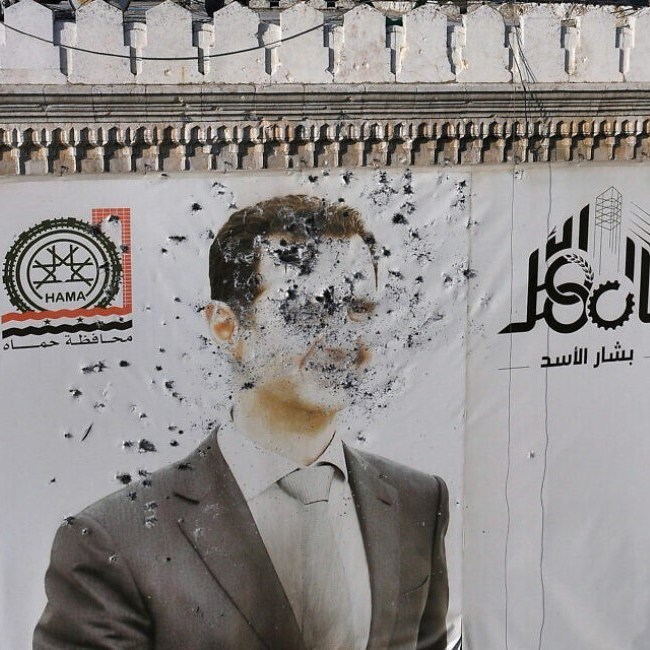
Russia, one of Assad’s strongest backers, has confirmed that the president has left Syria. In a statement, Russian officials revealed that Assad issued orders for a “peaceful transfer of power,” although his precise whereabouts remain unclear. His departure effectively signals the end of one of the most enduring authoritarian regimes in the region.
Syria’s Prime Minister, who appeared in a recorded message, said that the government would cooperate with any new leadership that the people of Syria choose. The video, which shows him being escorted by rebel forces, suggests that the transition could be underway. The Islamist-led rebels have pledged to protect Syria’s religious and ethnic minorities, although the specifics of any power-sharing agreement remain unclear.
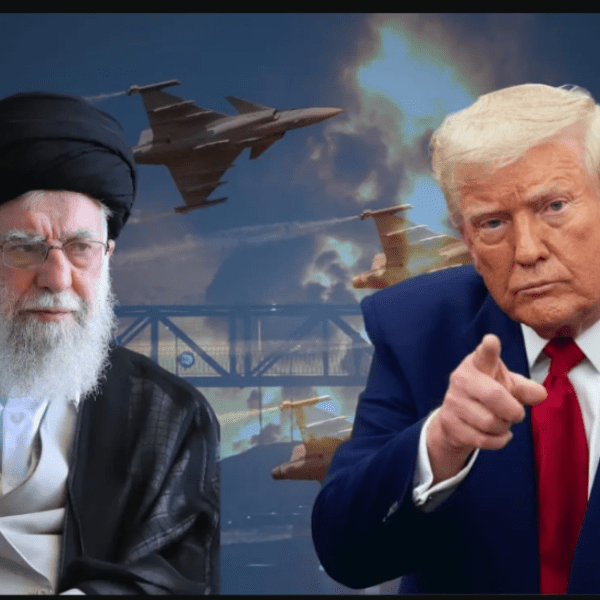
In Washington, a U.S. official characterized Assad’s downfall as the “collapse of Iran’s artifice” across the Middle East. The official pointed to the fall of Assad, who was supported by Iran, as part of a broader weakening of Iranian influence in the region. This follows recent setbacks for Iran-backed groups like Hezbollah and Hamas, both of whom have been significantly weakened in their confrontations with Israel in the past year.
As Syria moves forward, the road to stability remains uncertain, but the fall of Assad’s regime marks a dramatic shift in the geopolitics of the region.





 Middle East Politics Blog